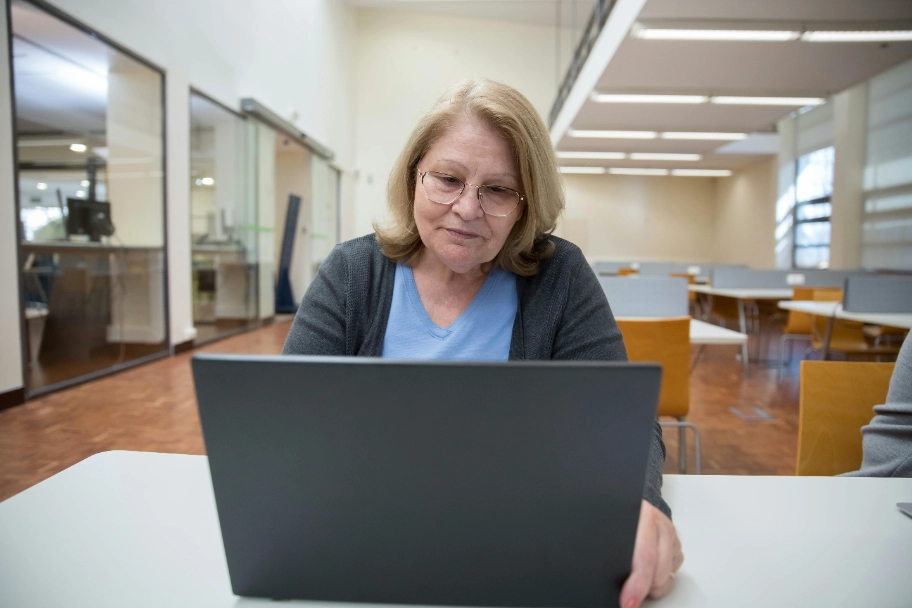
Online Diploma Courses
Online Diploma Courses can make structured professional learning easier to fit around work, family responsibilities and other commitments. Rather than attending scheduled classes, many learners prefer studying from home, reviewing lessons when convenient and progressing through subjects that support their interests or workplace goals.
At BOLC Academy, we provide flexible online self-study opportunities across management, leadership and a variety of professional subjects. If you already know what you want to learn, you can browse our complete course catalogue. If you are still comparing options, this guide explains what online diplomas involve, how to evaluate programmes and which questions to ask before choosing one.
What Are Online Diploma Courses?
An online diploma course is a structured programme organised around defined learning topics, activities and assessments. It may introduce a new subject or develop existing knowledge in greater depth. Delivery online means you access learning materials remotely, although the precise format, support and assessment method vary by provider and programme.
Importantly, the word “diploma” does not, by itself, establish an academic level, regulated status or professional licence. Different organisations use the term for different kinds of programmes. Always read the individual course description and check its awarding or endorsing arrangements, assessment rules and intended learning outcomes.
Why Choose Diploma Courses Online?
Diploma Courses Online may suit people who want organised study without routine travel to a classroom. A self-paced format can be especially useful for existing employees planning professional development, managers strengthening their skills, parents balancing responsibilities or individuals exploring a new area of interest.
The practical advantage is control over when to study. The trade-off is that learners must create their own structure, manage distractions and keep progressing when there is no fixed weekly timetable. Flexibility works best when paired with consistent habits and clear objectives.
How Do Online Study Programs Work?
Online study programs differ, but a typical independent-learning pathway includes choosing a course, reviewing the syllabus, accessing learning materials, completing lessons, undertaking any required assessments and obtaining evidence of completion where applicable. Before enrolling, check how the provider handles marking, feedback, resubmissions and learner support.
For example, someone working towards a team leadership role might study communication, delegation, planning and performance management, then apply these ideas to meetings, team objectives and everyday supervisory decisions. The practical benefit comes from using what is learnt, not simply reaching the final page of a course.
What to Check Before Enrolling
Syllabus and Learning Outcomes
Read the full syllabus and ask what you should be able to explain or do afterwards. A convincing course outline identifies substantive topics rather than relying on promises about future earnings or career success. Check whether the content matches your existing experience and whether it is sufficiently broad or specialist for your purpose.
Course Level and Entry Requirements
Some diplomas are introductory, while others assume prior experience. Compare the level description with the actual units and assessment demands. Do not assume that similarly named programmes offered by different organisations are directly equivalent.
Endorsement, Certificates and Recognition
Understand exactly what document a successful learner receives and who issues it. A course completion certificate, an endorsed non-regulated programme and a regulated qualification are not interchangeable. If your employer, professional body or university requires a particular credential, confirm acceptance with that organisation before paying.
Study Time, Support and Assessment
Look for realistic study-hour guidance and ask whether deadlines apply. Find out what type of tutor or administrative assistance is available, how learners submit work and how achievement is assessed. A flexible timetable is useful only if you can sustain progress and access help when required.
Costs and Terms
Check the current fee, any instalment arrangements, what is included, whether certificates incur separate charges, and any applicable refund or cancellation terms. Avoid relying on offers or prices quoted in older blog posts, as course details can change.
Choosing the Right Subject for Your Goals
Begin with a specific aim. A current supervisor might want to improve delegation and feedback. A new manager might need a wider foundation in organisational planning, people management and business operations. Someone moving into a specialist department may need relevant subject knowledge as well as general management skills.
BOLC Academy’s online management courses provide examples of different study options in the field. Our Diploma in Management Online is one programme to examine if your focus is people management and leadership responsibilities. Review the live programme page for current content, requirements and completion details.
A Simple Framework for Comparing Courses
|
Question
|
What to look for
|
|
Relevance
|
Syllabus directly supports your learning or workplace objective.
|
|
Depth
|
Topics and assessments are appropriate to your prior experience.
|
|
Flexibility
|
Study arrangements fit your routine and available time.
|
|
Support
|
Clear information about assistance, assessment and feedback.
|
A course scoring well on all six factors is more likely to be a good personal fit than one selected on a dramatic promotional promise alone. Your priorities may differ: someone exploring a subject for enjoyment may value flexibility and price most; an employee studying against workplace requirements may need precise credential recognition.
Planning Your Home-Study Routine
Start with a manageable timetable. Instead of setting aside an unrealistic full day every weekend, choose a repeatable pattern such as three focused sessions during the week. Divide each module into smaller outcomes, record questions as you go and review what you have learnt before proceeding.
Build active practice into your routine. After a lesson on delegation, for example, draft a short task brief with a goal, deadline, resources and check-in arrangement. After studying communication, consider how you would handle a difficult but respectful workplace conversation. Small applied exercises make abstract ideas more useful.
Review your progress periodically. If work becomes busy, adjust the schedule rather than abandoning study altogether. Consistency is often more valuable than occasional bursts of activity.
Can an Online Diploma Improve Your Career Prospects?
Learning can help develop professional knowledge, confidence and vocabulary, and may provide examples to discuss during interviews or performance reviews. However, completing a diploma does not guarantee employment, promotion, professional registration or admission to another programme. Employers also consider experience, role-specific competence, qualifications and other selection criteria.
A useful approach is to connect course learning to observable outcomes. If you are studying management, keep a record of how you improved a process, supported colleagues or planned work more effectively. This can make your professional development easier to explain and demonstrate.
Are Free Courses a Useful Starting Point?
If you are uncertain about a subject, a free introductory course can help you assess your interest and willingness to study independently before committing to a longer programme. Be sure to distinguish free access to learning materials from any optional paid certificate or other service. BOLC Academy also lists free online courses for learners who want to explore available introductory opportunities.
Frequently Asked Questions
Can I study an online diploma while working full-time?
Many online self-study formats are designed to offer flexible access to materials. Check the actual workload, assessment schedule and support arrangements for the programme you choose.
Are all online diplomas formally regulated qualifications?
No. The designation “diploma” alone does not confirm regulation or academic equivalence. Check the precise status of the programme and the credential issued.
How long does a diploma course take?
That depends on syllabus depth, recommended study hours, assessment requirements and your available time. Review the current course information rather than assuming a universal completion period.
Can I study without previous experience?
Some courses welcome beginners and others expect background knowledge. Entry requirements and syllabus difficulty should guide your decision.
How do I choose between a certificate and a diploma?
Compare the content, learning goals, assessment, expected study effort and recognition of each programme. The title alone is not a reliable measure of suitability.
Will an online diploma guarantee a job?
No course can guarantee employment or promotion. Its value depends on relevance, learning quality, how skills are applied and the requirements of a particular employer or occupation.
Conclusion:
The best online diploma course is not necessarily the one with the longest title or the boldest claims. It is one with appropriate learning outcomes, clear study arrangements and a credential that makes sense for your personal or professional goals. Take time to assess the syllabus, provider, costs and support before enrolling, then build a realistic routine to put the learning into practice.
Explore BOLC Academy’s complete course catalogue to compare currently available subjects and select a suitable next step in your professional development.