Want to know How to Become a Beauty Therapist?
If you are exploring How to Become a Beauty Therapist, BOLC Academy offers flexible online learning to help you understand salon operations, client care and beauty-industry fundamentals. You can compare subject areas in our course catalogue before deciding which combination of theory, supervised practical training and workplace experience fits your plans.
Beauty therapy is hands-on, client-facing work. Success depends on more than enthusiasm for skincare or make-up: you need appropriate treatment-specific competence, excellent hygiene, sound client consultation and respect for professional boundaries. Our beauty therapy courses can introduce the underlying knowledge, while an employer, training provider or insurer can explain the practical evidence required for particular services.
What Does a Beauty Therapist Do?
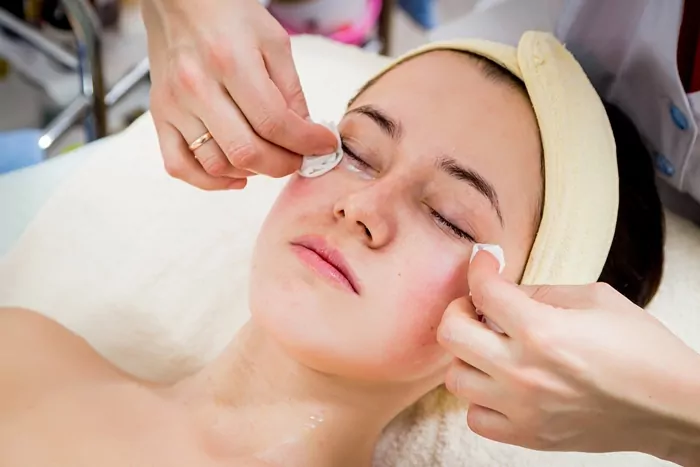
Beauty therapists provide cosmetic and wellbeing treatments according to their training, the setting and the needs of each client. A day may involve consulting a customer, preparing a hygienic workstation, performing an appropriate service, recording consent, explaining aftercare and maintaining appointment records.
-
Discussing the client’s goals, relevant health information and whether a service is suitable or should be postponed.
-
Providing trained-for services such as basic facials, manicure and pedicure care, make-up, brow services or hair-removal treatments.
-
Cleaning tools and surfaces, following infection-prevention procedures and disposing of materials safely.
-
Keeping accurate, confidential consultation records and explaining aftercare and any limitations.
-
Managing bookings, supplies, payments and customer feedback within the salon’s procedures.
A beauty therapist does not diagnose medical conditions or prescribe clinical treatment simply by holding a general beauty certificate. Suspicious lesions, infections or other concerns should be referred to an appropriate healthcare professional. Advanced treatments may involve additional training, regulation or insurance restrictions.
Where Can You Work in Beauty Therapy?
Potential settings include beauty salons, spas, hotels, cosmetic retail, mobile services and self-employment. The work differs by setting: a spa may emphasise treatment consistency and guest experience; a mobile therapist must also plan travel, portable hygiene controls and client records; a salon owner needs budgeting and staff-management knowledge. Evenings and weekends may be common when clients are available.
How to Work in Beauty Therapy: Your Entry Routes
College and practical qualifications
A college programme in beauty therapy, nail technology or related specialist techniques can provide structured skills development. In England, typical routes include relevant Level 2 programmes and further Level 3 study, although the appropriate qualification depends on the services and employer. Check the course’s awarding organisation, practical assessment requirements and actual occupational outcomes before enrolling.
Apprenticeships and supervised experience
Beauty therapy apprenticeships combine employment with off-the-job learning and practical assessment. They provide a route to develop client consultation, safe treatment delivery, hygiene and commercial salon routines under experienced supervision. Another route is beginning as a salon assistant and progressing through appropriate practical education.
Online theory as a supporting step
Online self-study can be useful when exploring the profession, learning treatment theory, studying client communication or preparing for salon-management responsibilities. However, it does not by itself demonstrate competent hands-on performance. Review the learning outcomes and determine whether a provider offers observed treatment practice and assessment where those are needed. For an introductory option, explore BOLC’s entry-level online beauty study; the beautician course online provides a broader subject overview.
Beauty Therapist Qualifications: What to Check Before Enrolling
The phrase Beauty Therapist Qualifications may refer to different awards, certificates, diplomas and provider courses. Their status and intended purpose are not interchangeable. Before paying for training, check the exact award, whether it is regulated, the treatment procedures covered, whether there are assessed practical sessions, and whether the qualification meets the needs of your proposed employer or insurer.
|
Training route
|
What to check
|
|
Practical beauty qualification
|
Observed practice, assessment, hygiene standards and treatment scope.
|
|
Apprenticeship
|
Employer placement, standard, eligibility and assessment arrangements.
|
|
Online self-study course
|
Knowledge outcomes, provider endorsement, and whether any practical competence is actually assessed.
|
|
Specialist treatment training
|
Contraindications, equipment, permissions, insurance and refresher requirements.
|
The National Careers Service identifies college study, apprenticeships, working towards the role and specialist private training as possible entry routes. Treatment insurance and local legal requirements can vary; confirm both before serving paying clients.
Essential Skills for Becoming a Beauty Therapist
-
Client listening: understand preferences without making promises a treatment cannot meet.
-
Manual dexterity and precision: practise techniques within the scope of approved training.
-
Hygiene awareness: understand infection control, equipment cleaning and safe product handling.
-
Professional judgement: identify contraindications, pause when necessary and obtain advice.
-
Communication and aftercare: explain the process, record agreement and answer questions clearly.
-
Business skills: use booking systems, track stock, handle money and respond to concerns respectfully.
If you plan to supervise staff or establish a business, knowledge of scheduling, pricing, client retention and basic accounts becomes equally important. BOLC’s customer service courses can support the communication side of a salon role, while its diploma in beauty therapy and salon management introduces wider business considerations.
A Practical Example: The First Client Consultation
Imagine a newly trained therapist preparing to offer a facial. Rather than starting immediately, they ask about the client’s objectives, relevant allergies, current products and any skin concerns. They confirm whether the proposed products are appropriate, explain the procedure and limits, document consent and follow the salon’s cleaning protocols. If a concern falls outside their competence, they do not attempt to diagnose it. This sequence protects the client, the therapist and the business.
A Four-Week Career Exploration Plan
|
Week
|
Action
|
Evidence of progress
|
|
1
|
Compare local beauty jobs and three training providers.
|
List the required services, assessment and entry conditions.
|
|
2
|
Study treatment theory, client care and hygiene fundamentals.
|
Write a checklist for safe consultations and equipment cleaning.
|
|
3
|
Arrange a salon observation, information interview or suitable supervised experience.
|
Record the practical skills and work patterns you observe.
|
|
4
|
Choose an appropriate practical qualification or apprenticeship pathway.
|
Create a realistic training budget and next-step timetable.
|
Frequently Asked Questions
Can I become a beauty therapist without a degree?
Yes. A university degree is not the standard entry route for many beauty therapist roles. College qualifications, apprenticeships and supervised workplace development are commonly used.
Can I qualify as a beauty therapist entirely online?
Online learning can build knowledge, but many treatments require supervised practice and practical assessment. Check the treatment scope and employer or insurer requirements.
What Does a Beauty Therapist Do on a typical day?
They consult clients, deliver services within their training, maintain hygiene, advise on aftercare and manage appointments and records.
What are the most useful Beauty Therapist Qualifications?
That depends on your planned treatments, workplace and insurer. Compare recognised practical programmes and apprenticeship standards, not only the course title.
Is Becoming a beauty therapist suitable for career changers?
It can be. Transferable skills such as customer care, reliability and time management help, but treatment competence must still be developed.
How long does it take to start working?
Training duration varies by route and treatment. A practical qualification or apprenticeship may take substantially longer than an introductory online course.
Can I work from home or as a mobile therapist?
Some therapists do. You should check treatment suitability, business arrangements, permissions, hygiene requirements and insurance first.
Do beauty therapists diagnose skin conditions?
No. They can recognise when a concern requires referral, but should not give medical diagnoses outside their professional scope.
Is salon management different from treatment practice?
Yes. It adds scheduling, staff supervision, quality, stock, financial planning and customer relationship responsibilities.
What should I do before choosing a course?
Check practical assessment, award status, costs, timetable and whether it matches the services you want to provide.
Taking the Next Step
Becoming a beauty therapist starts with matching your career goal to the right learning and supervised practice. Explore the BOLC Academy beauty therapy courses to understand the knowledge areas available through flexible self-study. For wider learning choices, our online diploma courses guide can help you compare study approaches. Choose practical training and relevant treatment permissions before offering services independently.