What Do Islamic Bankers Do?
If you are exploring how to work in Islamic banking, the first step is to understand what makes the sector distinctive and what banking professionals actually do each day. Islamic banks deliver many familiar financial services, including accounts, payments, business finance and customer support. The difference lies in how those services are structured, documented and governed.
At BOLC Academy, we encourage learners to look beyond job titles and understand the financial, ethical and operational knowledge behind specialist careers. You can explore broader accounting and finance learning options alongside this guide to Islamic banking roles. You can also browse our complete online course catalogue to compare other subject areas.
What Is Islamic Banking?
Islamic banking refers to financial services structured to comply with applicable Shariah principles while operating within the legal and regulatory requirements of the jurisdiction concerned. It is not simply conventional banking with interest removed. The underlying contracts, allocation of risk, treatment of assets and review of permissible activities are relevant to how a product is designed and delivered.
The Bank of England explains that Islamic finance generally avoids paying or receiving interest and encourages financing linked to productive activity, partnership and responsible investment. These services can be used by customers of any faith. Source: Bank of England – What is Islamic finance?.
What Do Islamic Bankers Do in Practice?
The precise responsibilities vary by employer and role. A customer adviser will not perform the same work as a risk analyst or a specialist in Shariah compliance. Across the organisation, however, employees must combine standard banking controls with knowledge of the contracts and ethical requirements relevant to the products offered.
Customer Service and Account Operations
Front-line teams explain account features, guide applicants through documentation, verify identities, respond to questions and help customers use online banking. They must communicate product terms accurately without presenting Shariah-compliant products as automatically cheaper or risk-free.
Financing and Credit Assessment
Financing teams review a customer’s purpose, affordability, business or asset information and supporting documents. They also need to understand whether the proposed product uses a sale, lease or partnership structure. Approval remains subject to the institution’s internal policies, applicable regulations and contractual requirements.
Risk Management and Compliance
Risk specialists monitor credit, liquidity, operational and conduct risks. Compliance teams assess financial crime controls, customer due diligence, sanctions, record-keeping and consumer obligations. Islamic banks need these core banking safeguards as well as governance arrangements for Shariah-related questions.
Product Design, Finance and Audit
Product teams work with legal, risk, accounting and Shariah specialists to ensure contract documents reflect the intended transaction. Finance professionals analyse financial performance and prepare reports; internal auditors test whether procedures and control requirements are being followed.
Understanding Common Islamic Banking Contracts
A practical understanding of financial contracts is central to Islamic banking training. Common structures include:
-
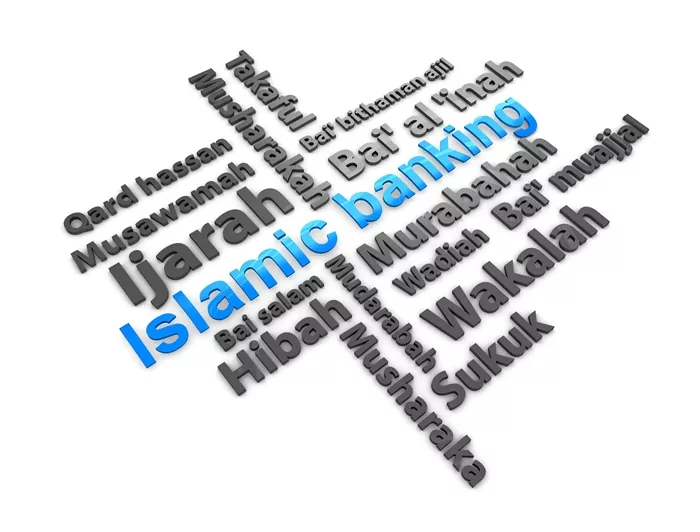
Murabaha – a disclosed cost-plus sale. The institution buys an identified asset and sells it to the customer at an agreed marked-up price, often payable in instalments.
-
Ijarah – leasing. An institution owns an asset and leases its use to the customer under agreed terms.
-
Musharakah – a partnership arrangement in which parties contribute capital and share profit according to agreed terms, with losses generally linked to capital contributions.
-
Mudarabah – a partnership in which one party supplies capital and another provides management or expertise, subject to agreed profit-sharing and loss-allocation rules.
These descriptions are introductory, not a substitute for reviewing individual contract documentation. The State Bank of Pakistan provides detailed explanations of the principal modes of finance and the rules that apply to their structures: Islamic banking FAQs.
Why Shariah Governance Matters
Islamic banks need processes for assessing whether products and transactions meet their applicable Shariah standards. The precise governance model varies between jurisdictions and institutions. Specialists may review contractual terms, advise on proposed products, assess exceptions and support internal monitoring. Employees in customer-facing and operational roles should understand when a question needs to be escalated to an authorised specialist rather than offering an independent religious or legal ruling.
How Islamic Banking Differs from Conventional Banking
Both Islamic and conventional banks need sound financial management, customer service, risk controls and regulatory compliance. The major distinction is contractual and ethical structure: conventional lending commonly involves interest-bearing debt, whereas Islamic finance uses arrangements designed around permissible sales, leases, partnerships or other Shariah-compatible mechanisms. Outcomes and costs still depend on the actual agreement. Islamic financing is not necessarily free of fees, margins or commercial risk.
Essential Skills for a Professional in Islamic Banking
-
Numeracy and financial literacy – interpret financial information, payment schedules and basic risk measures.
-
Contract awareness – understand the basic purpose and mechanics of common Islamic finance structures.
-
Attention to detail – check identity documents, transaction records and contractual terms.
-
Ethical judgement – identify conflicts of interest, unsuitable representations and situations requiring escalation.
-
Communication – explain unfamiliar products clearly and listen carefully to customer needs.
-
Digital competence – work confidently with banking systems, spreadsheets and secure records.
-
Regulatory awareness – follow rules applicable to the institution and its customers.
For example, when assisting a customer with asset finance, an employee should be able to explain the sequence of a purchase-and-sale arrangement, clarify the agreed payment terms and refer complex legal or Shariah questions to the appropriate team.
How to Work in Islamic Banking: A Practical Career Pathway
Build a Foundation in Finance
Begin with banking operations, business mathematics, accounting concepts, financial statements and the fundamentals of risk. These are transferable skills that support numerous banking roles. An introductory basic accounting course may help develop broader financial literacy before more specialised study.
Study Islamic Finance Principles
Learn the reasons for avoiding riba, excessive contractual uncertainty and prohibited business activities, and review how Islamic finance products are structured. Use reputable regulatory and educational resources, and compare how rules differ across markets.
Choose a Role Before Choosing a Course
A branch customer service position may emphasise communication and operations, while product development may require advanced financial analysis, contract skills and specialist experience. Reading current vacancies helps establish which qualifications, experience and technical skills are genuinely required.
Build Practical Evidence
Create short case studies explaining a murabaha transaction, a diminishing partnership arrangement or a basic compliance concern. Practise summarising financial information accurately. Relevant banking experience, internships and supervised workplace learning can strengthen an application.
Review Professional and Regulatory Requirements
Some specialist roles require relevant degrees, regulated professional credentials or professional experience. Requirements differ by country, bank and function. Short self-study courses can support knowledge development but should not be presented as professional banking licences or guaranteed routes into employment.
Islamic Banking Courses and Online Study
When comparing Islamic Banking Courses, look at the syllabus rather than relying on a certificate title. Useful topics include the principles of Islamic finance, banking operations, contracts, accounting treatment, risk, governance and professional ethics. Check the study format, support offered, assessment method, total cost and exact status of any completion certificate.
An Islamic Banking Online Course may suit someone who needs flexible study around existing commitments. Nevertheless, the suitability of any course depends on its coverage and on the requirements of the employer or professional body concerned. You can explore BOLC’s Islamic banking topic archive and our accounting and finance course collection for related learning material. Do not assume older course levels or historic prospectus descriptions represent programmes currently available.
Common Questions About Careers in Islamic Banking
Do Islamic bankers need to be Muslim?
No. Islamic financial services are available to people of different faiths, and employment decisions depend on the role, the employer’s requirements and applicable law. Understanding the governing principles remains important for anyone working with relevant products.
Is Islamic banking the same as ordinary banking?
There are shared services and regulatory responsibilities, but the use of distinct financial contracts and Shariah governance makes product design and delivery different.
Can I enter Islamic banking without prior experience?
Some entry-level operational and service roles may be open to applicants with transferable skills. Technical, risk, legal and specialist governance posts commonly require more specific qualifications or experience.
Will a short course qualify me as an Islamic finance specialist?
A short course can introduce the subject and develop understanding, but professional expertise typically requires deeper study and relevant experience. Check what the credential actually confirms and whether an employer recognises it for the role.
Conclusion
Islamic banking offers opportunities across customer services, banking operations, financing, accounting, compliance, audit and product development. The best starting point is to understand both mainstream banking practice and the principles that shape Islamic financial transactions. From there, identify the role that interests you, build the relevant skills and check the qualifications employers actually request. For structured self-paced learning, explore BOLC Academy and its finance and accounting programmes as part of your wider professional development research.